- New
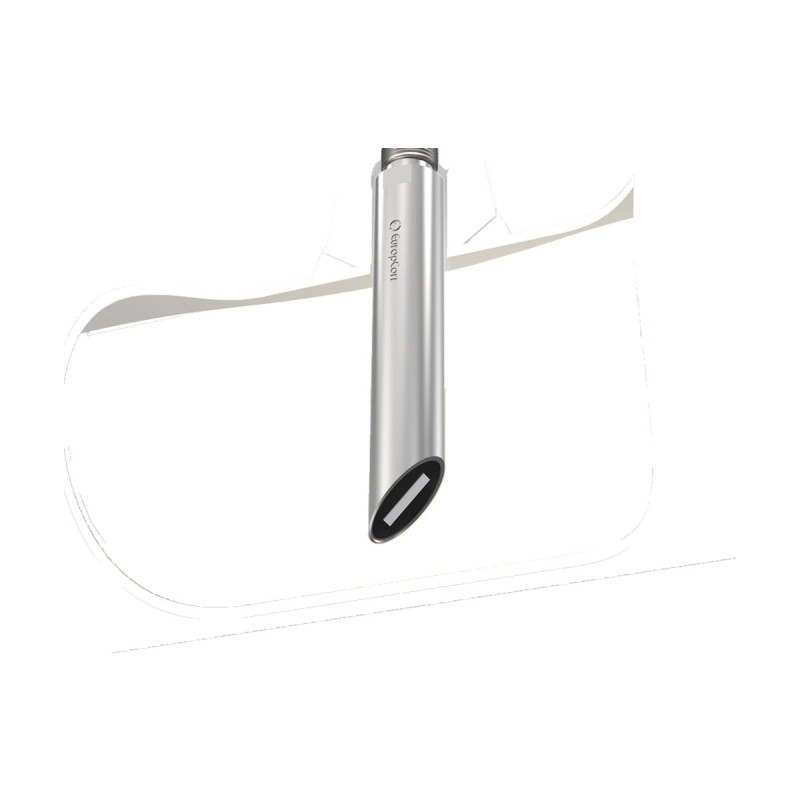



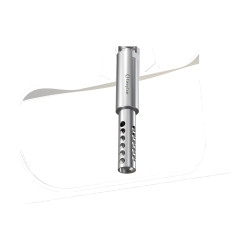
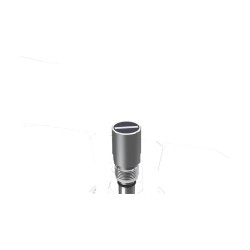
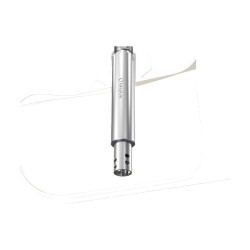
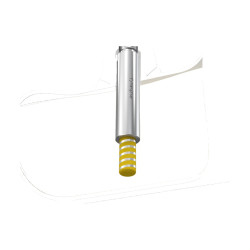
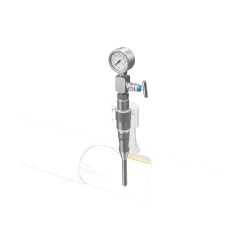
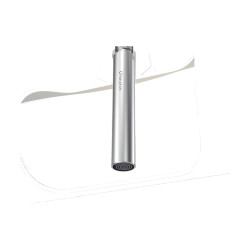
ER-type electronic sand erosion probe with corrosion-resistant 45° angled element sealed in glass; read with MaxiCorr or MegaCorr.
 Certified equipment
ATEX / IECEx documentation supplied where stated
 Worldwide delivery
Incoterms agreed in each quotation
 Quotation first
Price, lead time and certificates in every offer
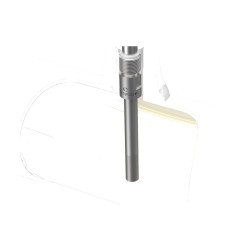
The Electronic Sand Probe works like a standard ER probe, but its sensing element is made of corrosion-resistant material (AISI 316L or higher), so the thickness loss and resistance increase are caused by erosion from sand or solids hitting the element. The element is sealed in glass and cut at a 45° angle for better detection of the particles.
Erosion-corrosion occurs in flowing fluids carrying sand, silt, precipitated salts or other solids, which thin or remove the protective layer and greatly increase metal loss. EuropCorr sand probes are a simple and robust way to detect significant erosion in high-velocity flow lines.
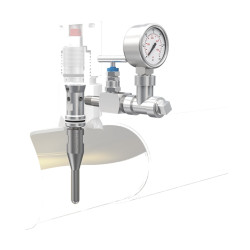
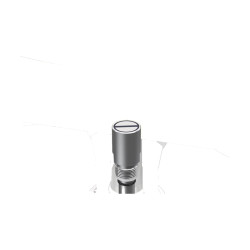
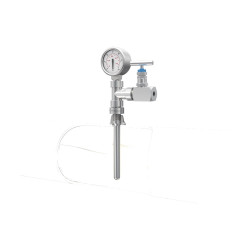
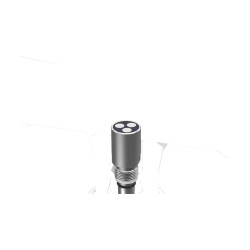
The probe is mounted through a EuropCorr Hollow Plug Assembly and is used with both 2" high-pressure mechanical and hydraulic access systems; with the Retrieval Tool and Service Valve it can be changed or inspected without shutdown. Readings are taken with the MaxiCorr portable instrument through the 6-pin connector (S-type connector on request) or continuously with the MegaCorr data logger.
Specifications
| General | |
|---|---|
| Manufacturer | EuropCorr (Italy) |
| Compatible system | EuropCorr 2" mechanical and hydraulic access systems (hollow plug) |
| Connector | 6-pin (S-type on request) |
| Body material | AISI 316L (special materials on request) |
| Standards | ISO 9001, NACE MR0175 / ISO 15156 |
| Element | 45° angled, AISI 316L or higher grade, glass seal |
| Ordering information | |
|---|---|
| Element thickness (mm / mils) | Part No. |
| 0.25 / 10 | 351083 |
| 0.50 / 20 | 351058 |
| 1 / 40 | 351084 |
Please state the element thickness in your quotation request. The full manufacturer datasheet is available in the Attachments section below. Specifications may be modified by the manufacturer without notice.

ER-type electronic sand erosion probe with corrosion-resistant 45° angled element sealed in glass; read with MaxiCorr or MegaCorr.